Tinycontrol
Tinycontrol tcPDU managed power distribution rackmount 19" panel 7x 230V
Εξαντλημένο256,31 € με ΦΠΑ
Περιγραφή
Effective power management of servers, network devices, and other equipment in a rack is key to the stable operation of IT infrastructure. The managed power distribution unit for standard 19" racks offers seven independently controlled 230 V sockets, which allow for remote power on, off, or rebooting of individual devices according to current needs. Management is conveniently conducted via an integrated web server or using SNMP or MQTT protocols over Ethernet, enabling easy integration into existing monitoring and automation systems.
Use Cases
- Server cabinets and data racks
- Low power heating control
- Powering devices requiring remote control
- Powering devices with timed switching on and off
Energy Monitoring and Intelligent Protection
The advanced measuring system provides a detailed overview of operation – the unit monitors network voltage, current, active and reactive power, and calculates consumed energy. Thanks to energy consumption monitoring, device operation can be easily optimized and unusual consumption can be detected. Two logical inputs allow for monitoring, for example, the status of rack doors or power outages from the UPS. Safety is ensured by a separate 10 A automatic circuit breaker with remote monitoring capability and alerts upon disconnection. The network stability is also supported by a watchdog feature for automatic device reboot in case of unavailability of the IP address. The RJ-12 interface (1Wire/I2C) additionally allows for the connection of external sensors, such as the DS18B20 temperature sensor.
Advanced Remote Control and Connectivity
Modern power management and device monitoring are accessible from anywhere thanks to an intuitive web interface that allows for quick setup and monitoring of all important parameters. Clear graphs and data can also be obtained through support for SNMPv2, SNMPv3, and MQTT protocols, with MQTT enabling connection to a free remote monitoring server and control via a mobile app. Secure data transfer is ensured by encrypted communication using TLS and HTTPS. The device can send measured values or status information to the server via HTTP while triggering actions within event management. A practical scheduler allows for switching outputs on or off according to a calendar, at regular intervals, or with a delay, helping to prevent overload of the power network.
Key Features
- 7 sockets with grounding pin (type E) with independent control
- Rated voltage 230 V ±10 %
- Maximum power 2.3 kW (AC1) / 0.75 kW (AC3)
- Maximum current 10 A
- Monitoring of current consumption
- Interfaces: 1× RJ-45 (Ethernet), 1× RJ-12 (I2C / 1-Wire), 1× 4-pin terminal block
Παρόμοια διαθέσιμα προϊόντα

DELL
DELL Riser Config 0, 1x OCP 3.0(x16) + 3x16LP + 1x4LP(Gen3) + Risers: 2x16 LP (additional part when you add 2nd cpu for R750xs)
Χαμηλό απόθεμα
332,61 € με ΦΠΑ
Conexpro
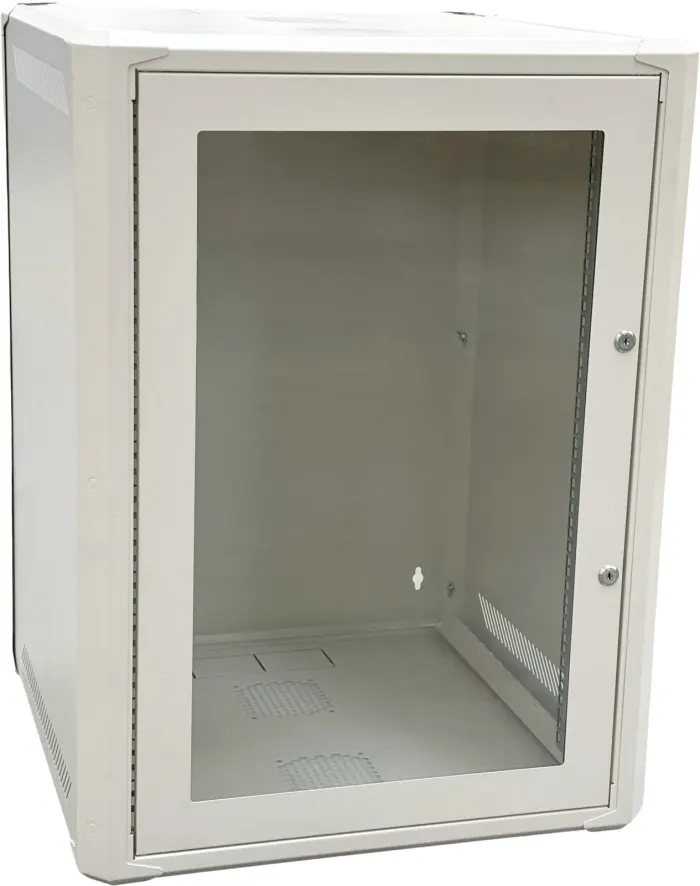
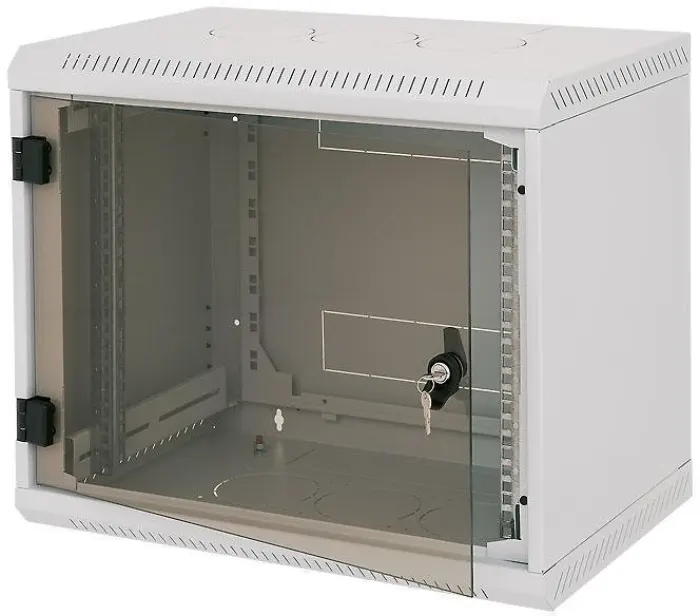
Conexpro networking cabinet 19" 15U/600mm, FLAT PACK, glass door
Χαμηλό απόθεμα
174,80 € με ΦΠΑ
Triton
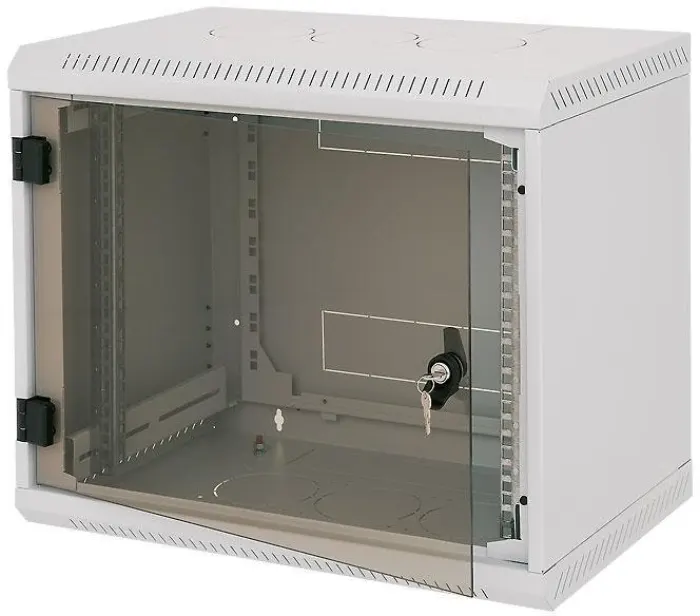
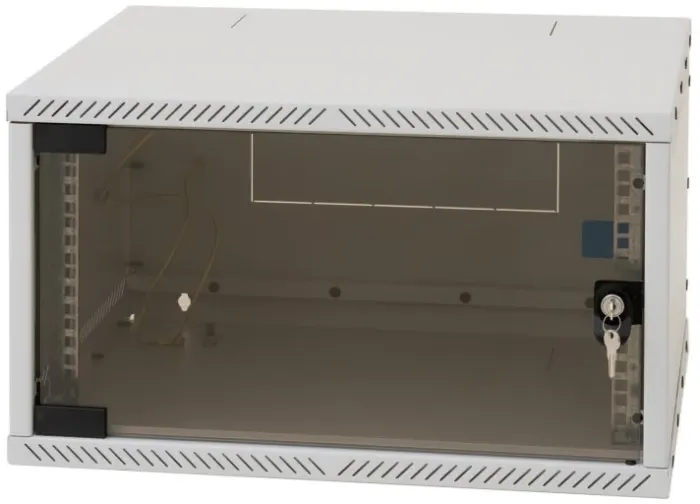
Rack Triton 19" 9U/400mm, FLAT-PACK (unfolded), glass door, gray
Χαμηλό απόθεμα
161,72 € με ΦΠΑ